
Last updated October 16, 2026
 Wrought iron
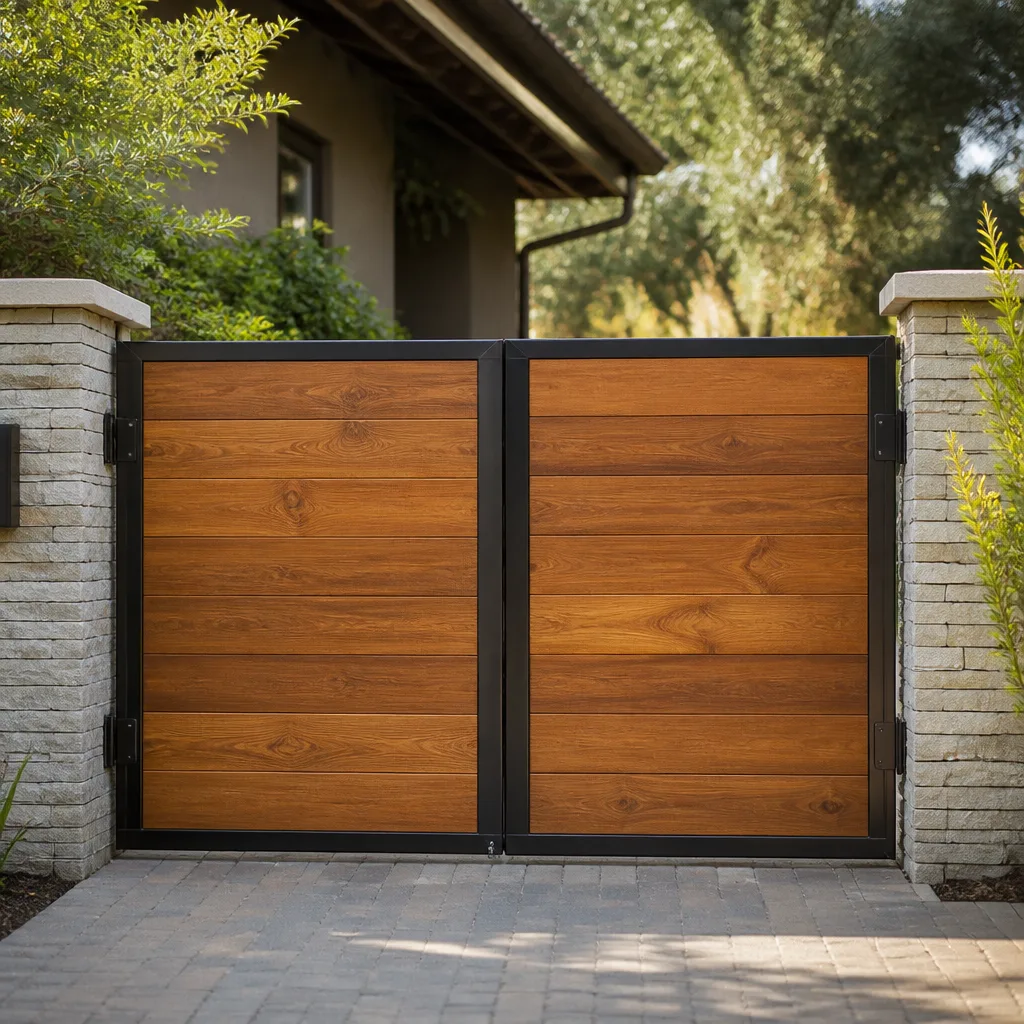 Wood & steel frame
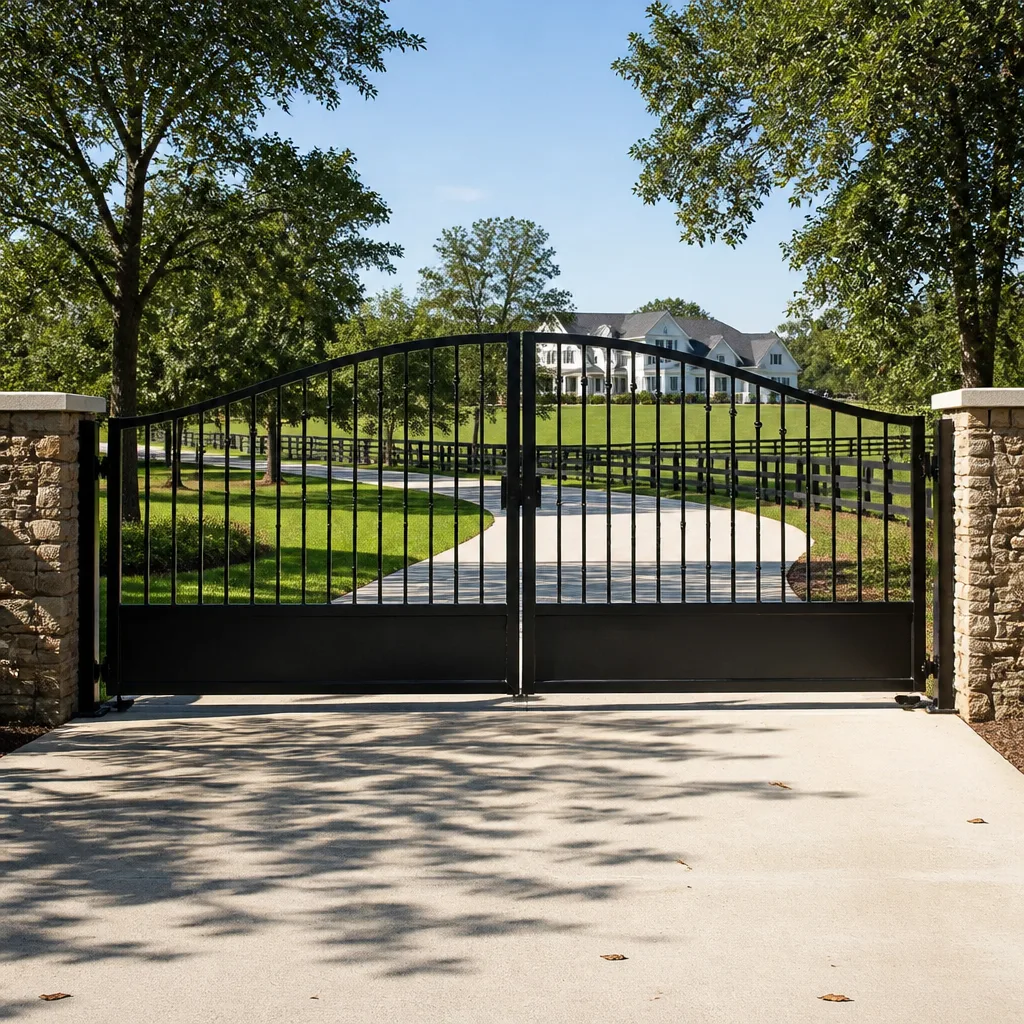 Farm & ranch
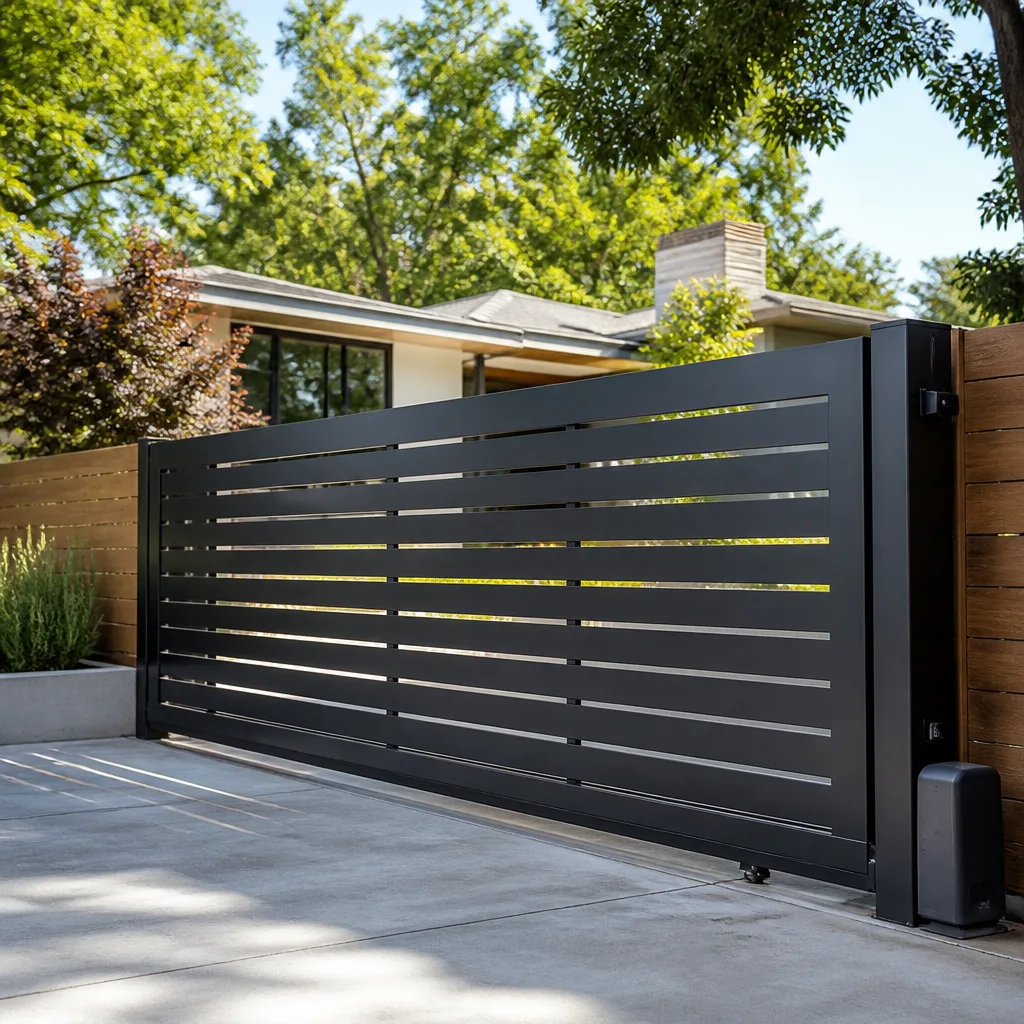 Sliding driveway gates
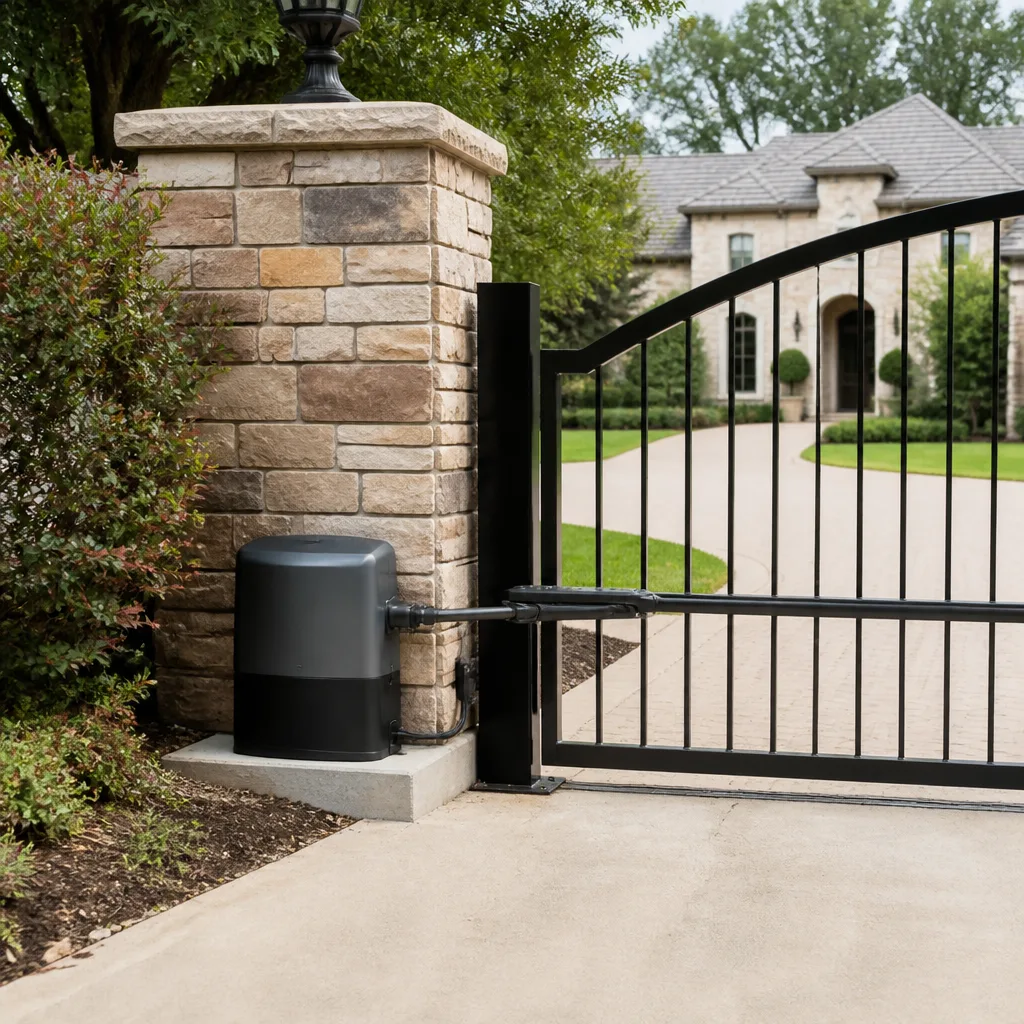 LiftMaster operators
Free on-site gate assessment - hinges, posts, and your LiftMaster or Nice gate operator checked before anything is quoted
The assessment is free and the quote is the invoice.
Get your free estimateGate Repair Permits, Codes & Inspections in NV: What You Need to Know
Here’s a number most Las Vegas homeowners never hear until it’s too late: a gate repair that costs $400 without a permit can become a $1,200 problem if the Clark County Building Department flags it during a future home sale inspection. Fewer than one in ten homeowners ever ask their contractor about permit requirements before work starts, and the bill for that silence usually arrives years later, attached to a title report or an insurance claim denial. This guide walks through exactly which gate repairs trigger Clark County permits, how HOA approval fits alongside county code, what happens at a gate inspection, and what your homeowner’s insurance will actually do if an unpermitted automatic gate strikes a vehicle or person. For related reading, see our Gate Repair Warning Signs: A Las Vegas Homeowner’s Reference Guide. We’re writing this from Las Vegas, where wind, heat, and automated gate systems combine in ways that make permit compliance a real financial question, not a paperwork formality.
Styles & brands we work with
Quick Answer
Most routine gate repairs in Las Vegas do not require a building permit, but structural post replacement, electrical motor installation, and any change to a gate opening’s width or swing direction usually do. HOA architectural approval is a separate requirement that exists in addition to, not instead of, a Clark County permit. Skipping required permits can void a homeowner’s insurance claim if your automatic gate injures someone or damages a vehicle, and it can surface as a costly correction during a home sale.
Table of Contents
- Which Gate Repairs Require a Clark County Permit
- HOA Approval: The Second Permit You Didn’t Know About
- What Happens at a Gate Inspection: What Inspectors Check and What Fails
- How Unpermitted Gate Work Affects Your Homeowner’s Insurance
- Retroactive Permits: What to Do When a Previous Owner Skipped the Step
- Las Vegas-Specific Codes: Wind, Entrapment, and UL 325
- What Permits Add to the Price: A Las Vegas Cost Breakdown
- Common Mistakes to Avoid
- When to Call a Professional
- Frequently Asked Questions
- The Bottom Line
Which Gate Repairs Require a Clark County Permit
Clark County follows the International Residential Code with local amendments specific to Southern Nevada’s wind and heat conditions. The short version: if you’re only replacing worn parts on an existing gate, you probably don’t need a permit. If you’re changing the structure, the electrical system, or the physical dimensions of the gate opening, you almost certainly do.
Here’s the breakdown by repair type, because the distinction matters more than most contractors admit:
Repairs That Typically Do NOT Require a Permit
- Hinge replacement on a swing gate, as long as the post remains in place and the gate’s weight and swing path don’t change.
- Wheel or roller replacement on a slide gate, when the track and post concrete are untouched.
- Operator or actuator swap where the new unit is a direct replacement for a previously permitted operator, same voltage, same mounting location, no new conduit run to the panel.
- Sensor or photocell replacement, including safety edges, where wiring already exists.
- Keypad, remote receiver, or intercom replacement, where low-voltage wiring is reused.
- Rust treatment, painting, and cosmetic work that doesn’t alter the gate’s structural connection to its posts.
Repairs That Typically DO Require a Permit
- Structural post replacement. Pulling a bent or rusted gate post out of the ground and setting a new one in concrete changes the load-bearing connection and requires an inspection of footing depth and concrete anchor bolts. In Las Vegas, wind loads on a solid-panel gate can exceed 90 mph in summer microbursts, so the footing spec matters.
- New electrical motor installation where no operator existed before, or where a new circuit must be run from the main panel to the gate. This falls under the electrical permit requirements and requires a rough-in inspection before the trench is backfilled.
- Opening width changes. Widening a gate opening, moving a post line, or reversing a swing direction changes the setback, the vehicle turning radius, and the gate’s interaction with the property line. Clark County treats this as new construction, not repair.
- Pedestrian gate replacement where the new gate is taller than 6 feet or attached to a new masonry column.
- Any gate work within a flood zone or drainage easement, which triggers additional review through the Clark County Regional Flood Control District.
If you’re unsure, the Clark County Building Department’s permit counter on Grand Central Parkway can confirm by phone, and most questions take under ten minutes. We’ve also seen instances where a contractor told a homeowner “this doesn’t need a permit” because the contractor didn’t want the inspection on their schedule. That’s the wrong reason.
HOA Approval: The Second Permit You Didn’t Know About
Las Vegas has more HOA-governed communities per capita than almost any city in the country. Summerlin, Green Valley, Mountains Edge, Providence, Southern Highlands, Aliante, Inspirada, Anthem, and Lake Las Vegas all operate under architectural review committees with written gate standards. A county permit does not satisfy HOA requirements, and HOA approval does not satisfy the county. They are parallel tracks, and you have to clear both.
Most Las Vegas HOAs with private gates have design guidelines that specify:
- Maximum gate height, usually 6 feet for pedestrian gates and 7 to 8 feet for vehicle gates, measured from the finished grade.
- Approved materials, commonly wrought iron, powder-coated steel, or wood with specific stain or paint colors from a pre-approved palette.
- Gate style compatibility with the community’s architectural theme, including picket spacing, top rail detail, and ornamental finials.
- Operator model restrictions. Some HOAs restrict brands or motor types, and a few require quiet hydraulic operators in communities where gates sit within 15 feet of a neighbor’s bedroom window.
- Setback requirements from the sidewalk and street, and from the neighbor’s property line.
The practical sequence when a gate replacement or major repair is planned:
- Check the HOA’s CC&Rs and architectural guidelines first. Most are online now, and the management company can email them in a day.
- Submit an architectural review application with drawings, material samples if required, and the proposed operator specifications.
- Wait for written approval. HOA review boards in Las Vegas typically meet monthly, so expect a 15 to 45-day turnaround depending on when your application lands relative to the meeting calendar.
- Apply for the Clark County permit with the HOA approval letter in hand. County reviewers occasionally ask for proof that the HOA has signed off on the design.
- Schedule the work only after both approvals are in writing.
Skipping the HOA step is the single most common source of gate disputes we see in Las Vegas. The HOA can fine you monthly until the gate is corrected, and some associations can require removal of a nonconforming gate entirely. A gate that doesn’t match the community standard also becomes a visible problem that any neighbor can report, and that report starts a formal process with letters, deadlines, and hearing dates.
What Happens at a Gate Inspection: What Inspectors Check and What Fails
Clark County gate inspections are not long ceremonies. Most take 20 to 40 minutes, and the inspector arrives with a checklist that covers safety, structural, and electrical points. The most common failure items in Las Vegas are the same ones we see year after year, and almost all of them are preventable before the inspector ever arrives.
What a typical gate inspection covers:
- UL 325 compliance on the operator. UL 325 is the national safety standard for automatic gate operators, and it’s the document the inspector will reference most. The operator must have a listed entrapment protection system in place and operating. That means photo eyes or contact sensing edges in the proper positions, and they get tested during the inspection.
- Operator disconnect mechanism. The inspector checks that the gate can be manually operated in a power outage, and that the release mechanism is accessible without a tool. This catches a surprising number of installations where the release handle was buried inside a locked cabinet.
- Safety device placement. Photo sensors must be mounted at the correct heights and positioned to protect the entrapment zones of the gate’s travel path. On a slide gate, this means zones at both ends of the track. On a swing gate, this includes the pull and push sides of the gate leaf.
- Post footings and anchor bolts. For new structural posts, the inspector checks concrete depth, bolt pattern, and whether the base plate is grouted and level. In Las Vegas, where freeze-thaw isn’t a concern but wind uplift is, the fastener spec is the big-ticket item.
- Electrical grounding and bonding. The operator circuit must be properly grounded, and the inspector checks for GFCI protection where the NEC requires it for outdoor receptacles.
- Gate travel limits and force settings. The inspector tests the gate’s force settings to confirm the gate reverses on contact rather than pushing through an obstruction. This is a UL 325 requirement and one of the most common failure points, because a technician who sets the force too high to overcome a stiff hinge creates an entrapment hazard.
The most frequent actual failures we hear about from Las Vegas homeowners involve a missing or misaligned photo eye, a force setting set too high, and a missing or unreadable warning sign. UL 325 requires specific warning signage on automatic gates, and inspectors do check for it. Your contractor should know these points cold before the inspection, and if the contractor seems confused about UL 325, that’s a signal to find another contractor. Our How to Hire a Gate Repair Contractor in Las Vegas: A Step-by-Step Guide covers how to vet this expertise before you sign.
How Unpermitted Gate Work Affects Your Homeowner’s Insurance
This is the section most Las Vegas homeowners skip, and it’s the one that costs the most money. Here’s the direct version: if an automatic gate on your property strikes a person or a vehicle, and that gate was installed or repaired without a required permit, your homeowner’s insurance carrier can deny the liability claim. Not might. Can, and in practice often does, because the policy language requires that structural and electrical work on the property be performed legally and with required permits.
The scenario that plays out in Las Vegas more often than anyone wants to admit:
A guest arrives at your home. Your automatic gate operator has a force setting that was never adjusted after a hinge repair, and the gate doesn’t reverse when it contacts the car’s bumper. The gate damages the vehicle. The guest files a liability claim against your homeowner’s policy. The claims adjuster asks for the permit history on the gate. There isn’t one, because the previous contractor installed the operator without a permit and nobody asked. The carrier denies the claim on the grounds that the work was performed illegally, and now you’re personally liable for the vehicle repair and any injury costs.
That’s not a hypothetical. Liability claims involving automatic gates in the Las Vegas valley are reported every year, and a meaningful percentage involve unpermitted work. The Nevada Division of Insurance doesn’t track gate-specific claim denials publicly, but insurance defense lawyers in Clark County see this pattern routinely.
What changes if the work was permitted:
- The carrier has a record that the gate system passed a county inspection, which supports your position that the gate was safe and code-compliant at the time of the incident.
- If the liability stems from a mechanical failure rather than improper installation, the permit record doesn’t automatically protect you, but it removes the carrier’s easiest denial path.
- For repairs done by a licensed contractor with a written guarantee, the carrier has a chain of responsibility that often shifts the claim to the contractor’s own liability coverage. At Portcullis Gate Repair Las Vegas, every repair carries a written 365-day guarantee, which also creates a paper trail.
If you’re buying a home in Las Vegas with an existing automatic gate, ask for the permit history as part of your due diligence. The seller’s disclosure form usually has a section for unpermitted work, and a gate that was clearly added to the property but has no permit record is a negotiation point, not just a curiosity.
Retroactive Permits: What to Do When a Previous Owner Skipped the Step
Retroactive permitting exists for exactly this situation, and it’s more common in Las Vegas than most out-of-state buyers expect. Nevada law allows a homeowner to bring unpermitted work into compliance by applying for a permit after the fact, paying the permit fee plus a late or investigation fee, and having the work inspected. The process is not punitive in most cases, and Clark County’s building officials are generally cooperative when a homeowner is trying to correct a previous owner’s shortcut.
The steps for retroactively permitting gate work in Clark County:
- Gather what you know. Identify the gate operator brand and model, the approximate installation date, and any contractor invoices or emails from the original work. If you have nothing, the county will still process the application based on the current condition of the installation.
- Call the Clark County Building Department. Explain that you discovered unpermitted gate work on a property you own and ask which permit type applies. For most automatic gate installations, this is an electrical permit with a structural element, but the county’s staff will classify it.
- Apply and pay. Expect the standard permit fee plus a supplemental fee for the retroactive review. Total cost is typically in the low to mid hundreds of dollars for a single automatic gate operator.
- Bring the gate into code compliance before the inspection. This is where most retroactive permit applicants spend real money. The inspector will check UL 325 compliance, safety device placement, post footings, and electrical grounding. If the original installer skipped photo eyes or set the force too high, you’ll pay a contractor to correct those items before the inspection passes.
- Pass the inspection and file the record. Once the inspection is signed off, the gate has a legal permit record attached to the property, which removes the insurance denial risk and the home-sale disclosure problem.
The total cost of a retroactive permit plus compliance corrections on a typical Las Vegas automatic gate runs $800 to $1,800, depending on what the original installer skipped. That’s real money, but it’s less than a denied liability claim or a sale that falls through in escrow.
Las Vegas-Specific Codes: Wind, Entrapment, and UL 325
Las Vegas gates live in a specific environment, and the code requirements reflect it. Three things matter here more than they do in most of the country:
Wind Load
Clark County sits in a high-wind region, particularly along the edges of the valley where summer microbursts can produce gusts over 80 mph. Solid-panel gates act like sails, and a 400-pound gate that catches a 75 mph gust can shear anchor bolts or bend a post if the footing wasn’t sized for the lateral load. The county’s structural requirements for gate posts factor in the gate’s panel area, the post height, and the local wind speed map. A gate that faces east toward open desert in a neighborhood like Anthem or Mountain’s Edge will have a different wind load calculation than a gate tucked inside a courtyard in a mature neighborhood, and the inspector’s structural check accounts for it.
Entrapment Protection (UL 325)
UL 325 is the federal entrapment safety standard that governs automatic gate operators nationwide, and Clark County inspectors enforce it as a matter of course. The standard requires at least two independent entrapment protection methods, which in practice means photo eyes or contact sensing edges at the gate’s entrapment zones. Inspectors in Las Vegas are more willing to fail an operator for force settings and sensor positioning than many out-of-state inspectors, in part because the valley has seen actual entrapment incidents involving children on automatic gates. The standard isn’t optional, and the inspection isn’t a formality.
Heat and Component Derating
A Las Vegas summer runs 40 to 60 consecutive days above 100 degrees, and gate operators sitting in direct sun can reach internal temperatures that derate the motor and shorten the capacitor and transformer life. The electrical code implications are not dramatic, but the practical one is: undersized wire, a shared circuit, or an operator mounted in a sealed metal cabinet will fail sooner in Las Vegas than in a cooler climate, and will drag more current while it does. A properly specified operator installation in Las Vegas uses wire sized for the full run from the panel to the gate with margin for the derating, and the operator cabinet should have ventilation.
What Permits Add to the Price: A Las Vegas Cost Breakdown
Here’s the piece most guides skip: actual dollar ranges for permit and inspection costs on Las Vegas gate work. These are the numbers we see on current jobs, and they’re the starting point for a conversation with your contractor, not a substitute for a written quote.
| Item | Typical Las Vegas Cost | Notes |
|---|---|---|
| Electrical permit for new gate operator | $150 – $350 | Varies by circuit scope and whether a subpanel is involved |
| Structural permit for post replacement | $200 – $450 | Includes footing inspection |
| Combined permit for new gate installation | $350 – $700 | Covers electrical plus structural elements |
| Retroactive permit fee (late application) | Additional $100 – $250 | On top of the standard permit fee |
| HOA architectural review fee | $0 – $150 | Many Las Vegas HOAs charge a review fee; some don’t |
| Compliance corrections on unpermitted work | $300 – $1,200 | Depends on what was skipped: photo eyes, grounding, signage, force settings |
| Contractor time for inspection coordination | $75 – $150 per visit | Most Las Vegas gate contractors charge for time onsite during inspections |
What a full gate installation costs in Las Vegas is a separate question, but for permit-conscious planning, the permit and inspection portion of a new automatic gate installation typically adds 8 to 15 percent to the job total. That’s the legal cost of having a gate system that will pass an inspection and protect your insurance standing. A new gate install without permits is cheaper on the invoice in front of you, and more expensive in every version of the future that matters.
One more note on pricing, because this is the part homeowners tell us they worry about most: the price you sign for should include permit costs, inspection scheduling, and the contractor’s time onsite for the inspection. If a contractor’s quote excludes permits and tells you to handle the paperwork yourself, you’re not saving money. You’re taking on the legal exposure yourself. The Kingswell way, the way we run every job at Gate Repair services by Portcullis Gate Repair Las Vegas, is a written price before any work begins, with the permit line item shown in the quote, not added later.
Common Mistakes to Avoid
- Assuming a “gate repair” never needs a permit. The word “repair” covers a lot of territory. Replacing a hinge doesn’t need a permit. Replacing a post does. If the contractor can’t tell you which one you’re doing, ask someone who can.
- Treating HOA approval as optional. Las Vegas HOAs enforce gate standards, and the enforcement tools they have include monthly fines and a lien on the property. County permit and HOA approval are two separate lanes, and both have to be clear.
- Accepting a contractor’s “you don’t need a permit” at face value. Some contractors say this because it’s true. Some say it because the inspection won’t pass. If you’re unsure, call the Clark County Building Department directly and ask. The call is free and takes minutes.
- Letting the contractor set the gate force without testing it. Force settings that are too high are a UL 325 violation and an entrapment hazard. Ask your contractor to demonstrate the gate reversing on contact before they leave, and make sure it’s written into the job.
- Skipping the permit record when buying a home. If the gate on a property you’re buying has no permit history, get it checked before closing. Retrofitting after you own the property means the correction cost is entirely yours.
- Leaving warning signage off an automatic gate. UL 325 requires specific warning signs on automatic gates, and Clark County inspectors check. The signs cost under $20, but a failed inspection for missing signage means a re-inspection fee and a rescheduled inspector.
- Hiring a contractor who won’t put the price in writing before work begins. This is the one that matters most. The Kingswell Guarantee exists because Las Vegas homeowners have been burned too many times, and the written price before any work starts is the single most important line on the invoice.
When to Call a Professional
If your gate repair involves structural posts, electrical connections, a new operator, or any change to the gate’s dimensions or swing direction, don’t attempt it yourself. These are the exact jobs that trigger permit requirements in Clark County, and a mistake in the post footing, the wire sizing, or the UL 325 safety setup creates a liability you don’t want personally attached to your name. If you inherited an unpermitted gate from a previous owner, call a licensed contractor familiar with Clark County’s retroactive permit process rather than trying to navigate the building department solo. For more guides & resources on gate ownership in Las Vegas, visit our blog. Portcullis Gate Repair Las Vegas offers free estimates in Las Vegas, and we walk through the permit determination on every quote, not just the ones where the customer already knows to ask. Call (725) 777-5391 and we’ll give you the answer straight, including which permits apply and what they add to the price.
Frequently Asked Questions
You need a permit if the new operator is a different voltage, a different mounting configuration, or the first operator ever installed on the gate. A direct replacement of an existing permitted operator with an equivalent unit usually does not trigger a permit, but the county’s test is whether the electrical work changes. When in doubt, call the Clark County Building Department or ask a licensed contractor to check for you. A five-minute confirmation now is cheaper than a retroactive permit later. Call (725) 777-5391 if you want us to look up your specific operator and gate layout.
Electrical permits for a new gate operator run $150 to $350, and structural permits for post replacement run $200 to $450. Combined permits for a full new gate installation typically run $350 to $700. Retroactive permits add $100 to $250 on top of the standard fee. These are the numbers we see on current Las Vegas jobs, not a county fee schedule, so use them as planning ranges. For an exact quote including the permit line item, call (725) 777-5391 and we’ll write it out for your specific gate.
You can install a gate without a permit, but if the work requires one and you skip it, the consequences stack up: the work is uninsurable for liability purposes, it becomes a mandatory disclosure item when you sell, and Clark County can require you to bring it into compliance retroactively. The county’s permit fees are not designed to be punishing, but the correction costs on a non-compliant DIY gate often run higher than the original job would have cost with permits. For electrical work on a gate operator, we’d recommend a licensed contractor, because the entrapment protection requirements are easy to get wrong.
If the repair changes the gate’s appearance, height, material, or operator type, most Las Vegas HOAs require architectural review approval before work begins. Routine repairs like hinge or wheel replacement that don’t change the gate’s appearance usually don’t require HOA approval, but the specifics are in your community’s CC&Rs. The safe sequence is always HOA approval first, then county permit, then work. Skipping the HOA step can trigger monthly fines and, in some associations, a forced removal of the nonconforming gate.
A Clark County gate inspector checks UL 325 compliance, which means the entrapment protection devices are installed in the correct positions and actually work, the operator’s force settings are set so the gate reverses on contact, the operator has a manual disconnect, the electrical work is grounded and GFCI-protected where required, and the structural posts meet the footing and anchor bolt spec. On new installations, the inspector also checks that the required warning signs are in place. Most inspections take 20 to 40 minutes, and the most common failures are misaligned photo eyes, excessive force settings, and missing signage.
Possibly not, and this is the part most Las Vegas homeowners don’t learn about until after an incident. If your automatic gate strikes a person or vehicle and the gate was installed or repaired without a required permit, your insurance carrier can deny the liability claim on the basis that the work was performed illegally. A permitted gate system creates a paper trail of a county inspection that supports your position. If you own an unpermitted automatic gate, getting the work retroactively permitted removes the easiest denial path for your carrier, and the process is more straightforward than most homeowners expect. For a free consultation on your specific gate, call (725) 777-5391.
The Bottom Line
Most routine gate repairs in Las Vegas are genuinely permit-free, and you shouldn’t overpay for paperwork you don’t need. But the line is not where most homeowners assume it is. Structural post replacement, new electrical operator installation, and any change to a gate’s opening dimensions all require Clark County permits, and the HOA approval process runs on a separate track that’s just as enforceable. The cost of skipping the permits is front-loaded into the home sale and the insurance claim, and by the time you find out, the correction bill usually exceeds the original permit fee many times over. Ask the question before the work starts, not after the first inspector’s letter arrives. We’re Portcullis Gate Repair Las Vegas home grown, and we answer that question honestly on every single quote. For Gate Repair in Las Vegas, Gate Installation in Las Vegas, or Electric Gate Repair in Las Vegas, call (725) 777-5391 and we’ll walk you through exactly which permits apply to your property, what they cost, and what the inspection will check, all written down before any work begins.
Written by Dean Prescott, Owner at Portcullis Gate Repair Las Vegas, serving Las Vegas since 2008.
See the difference
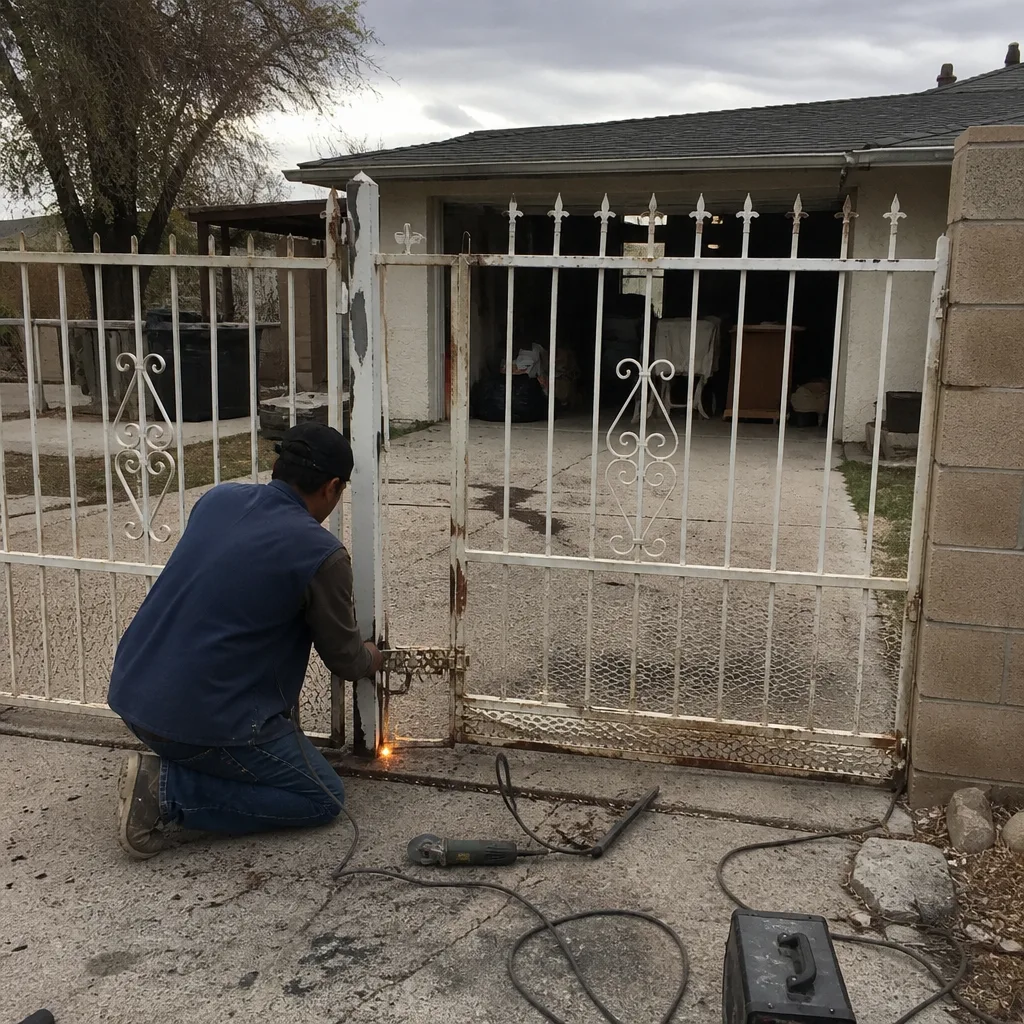 Before
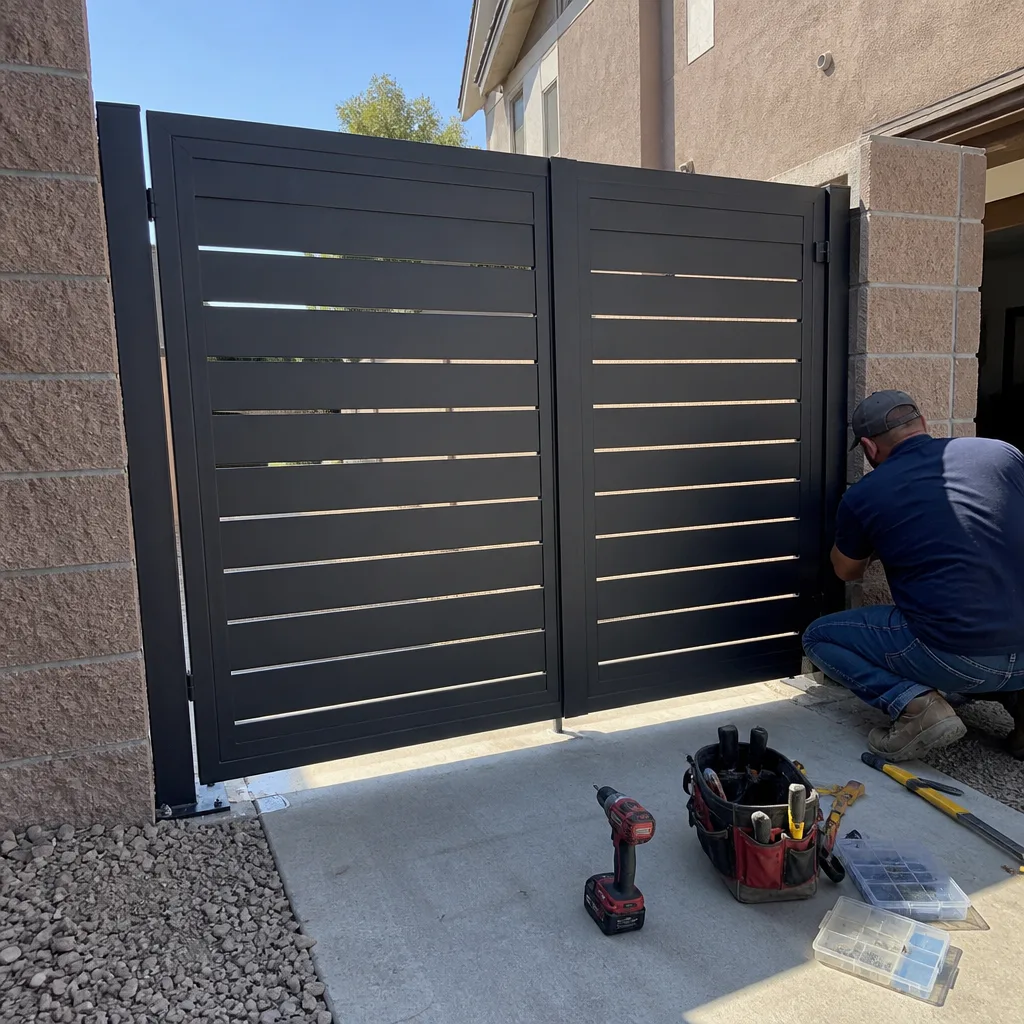 After
After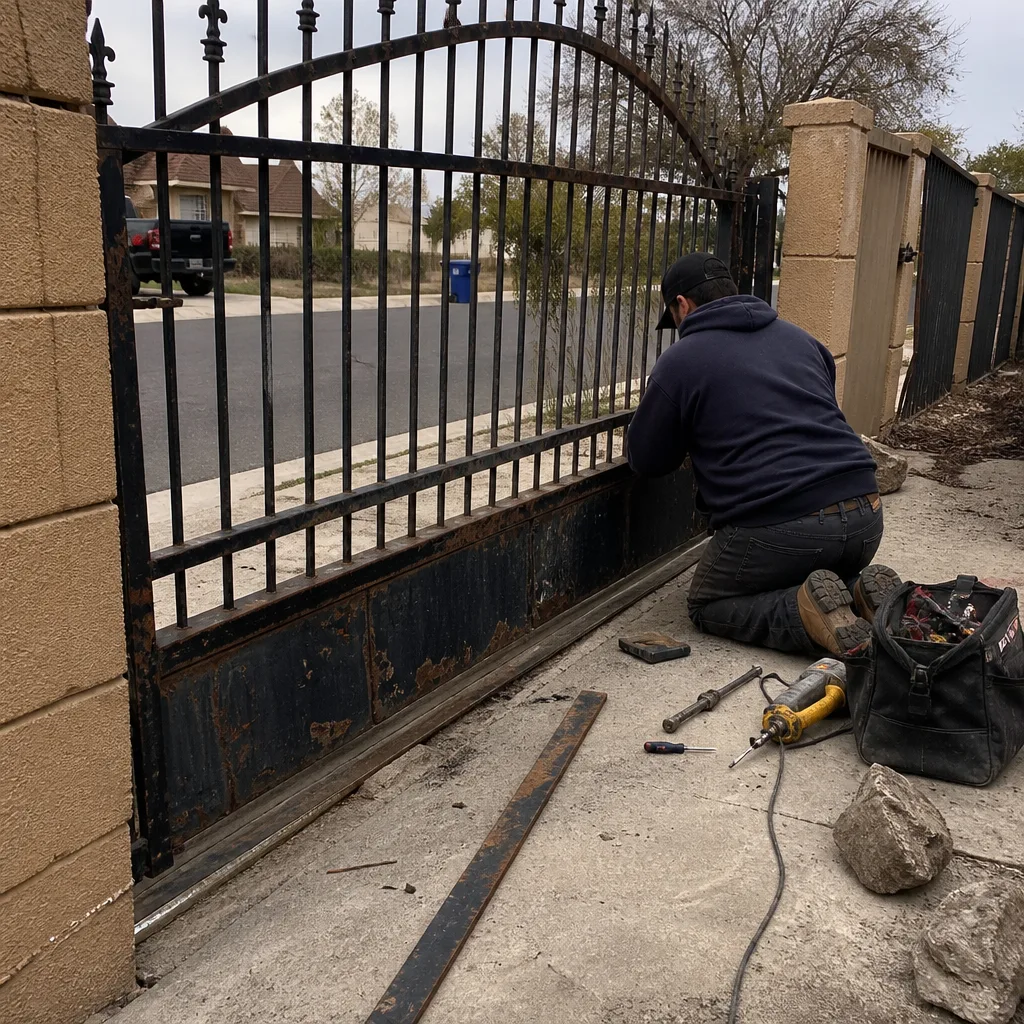 Before
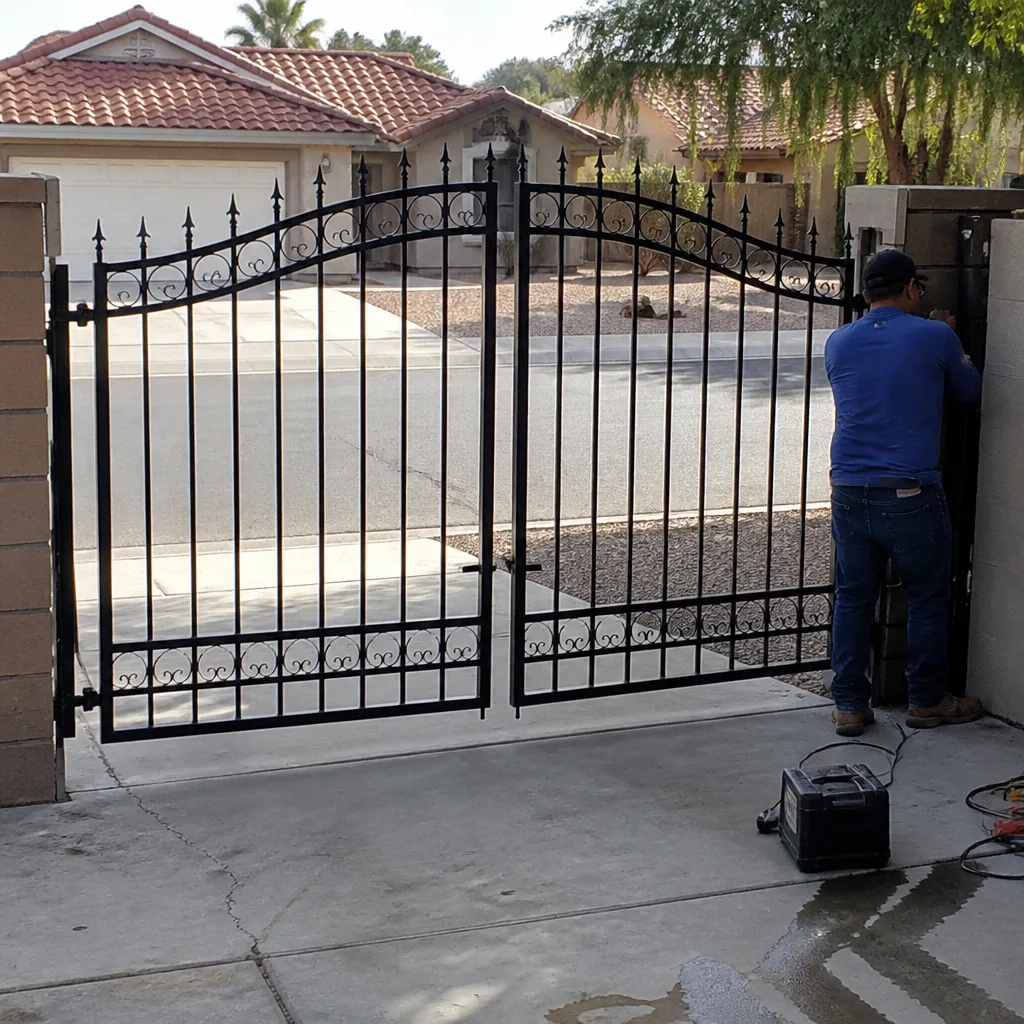 After
After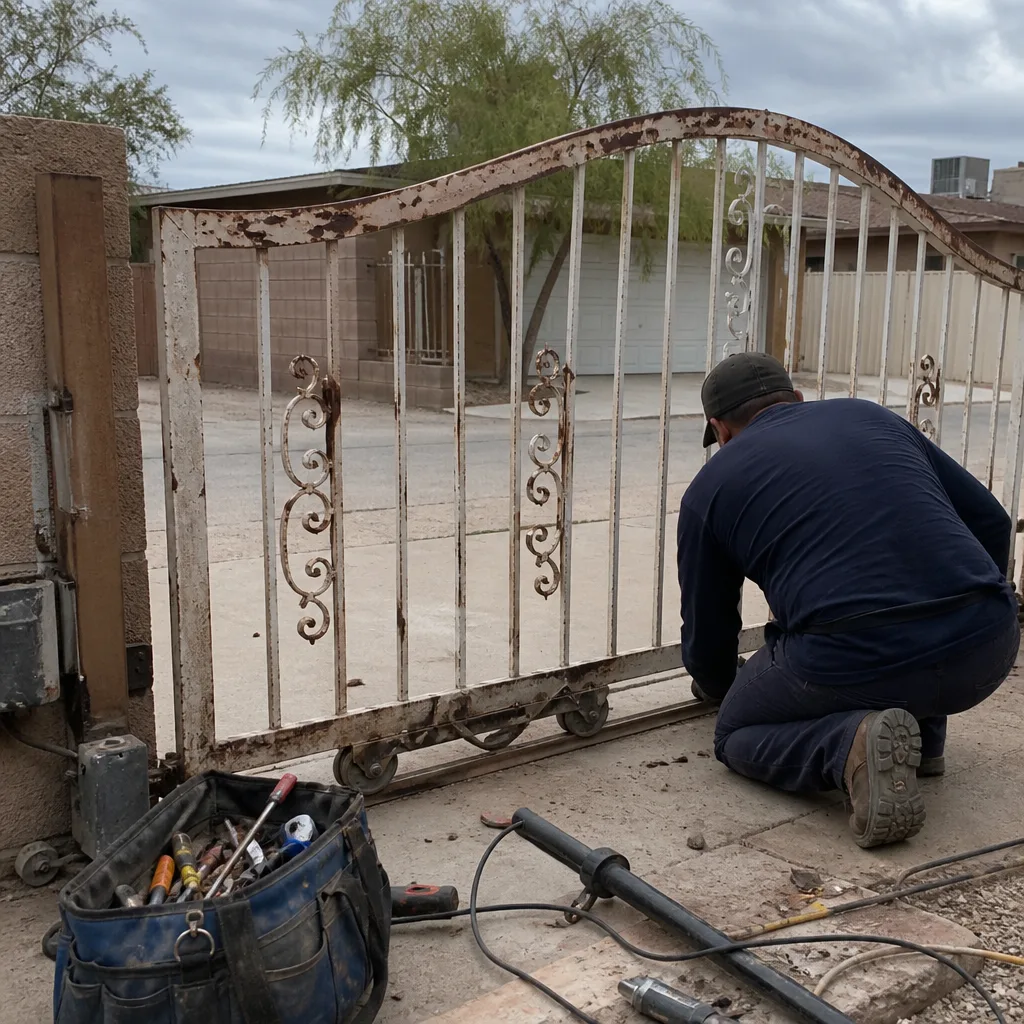 Before
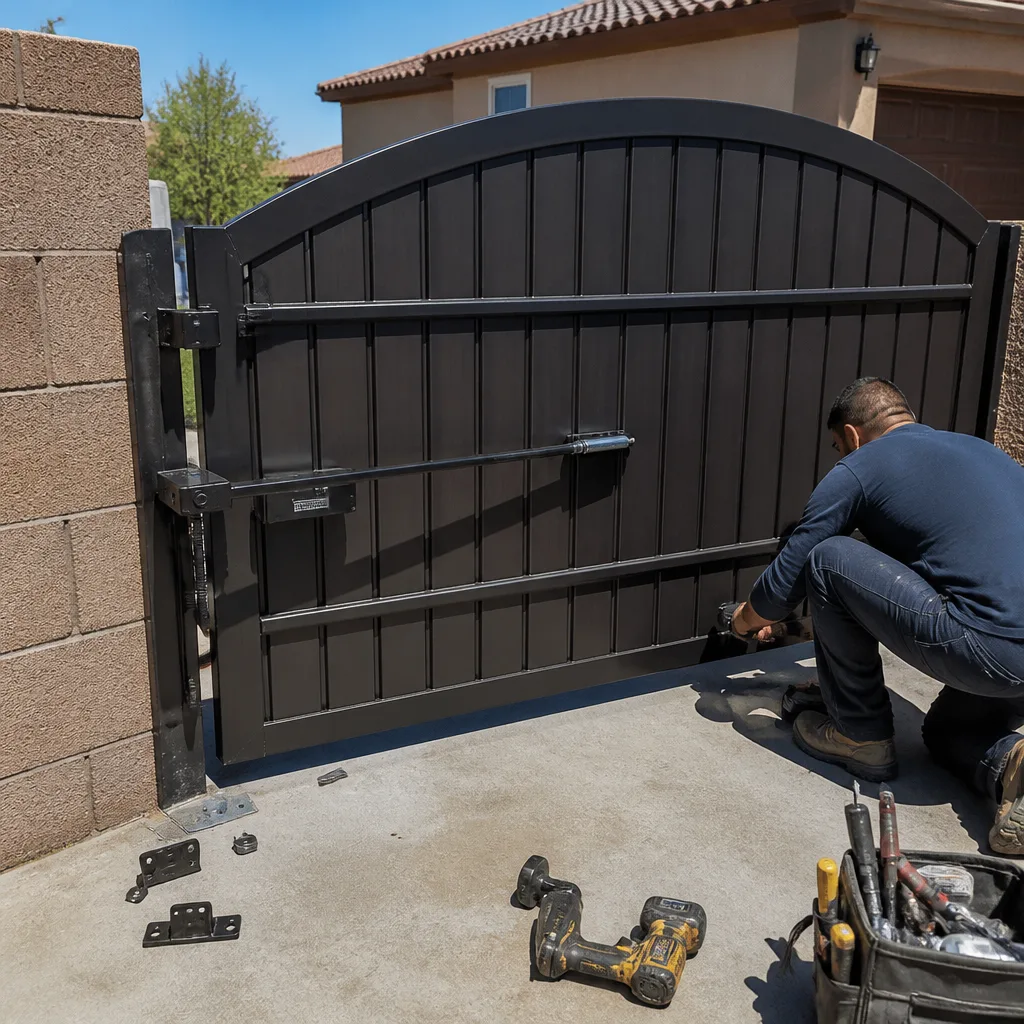 After
After