
Last updated October 16, 2026
 Wrought iron
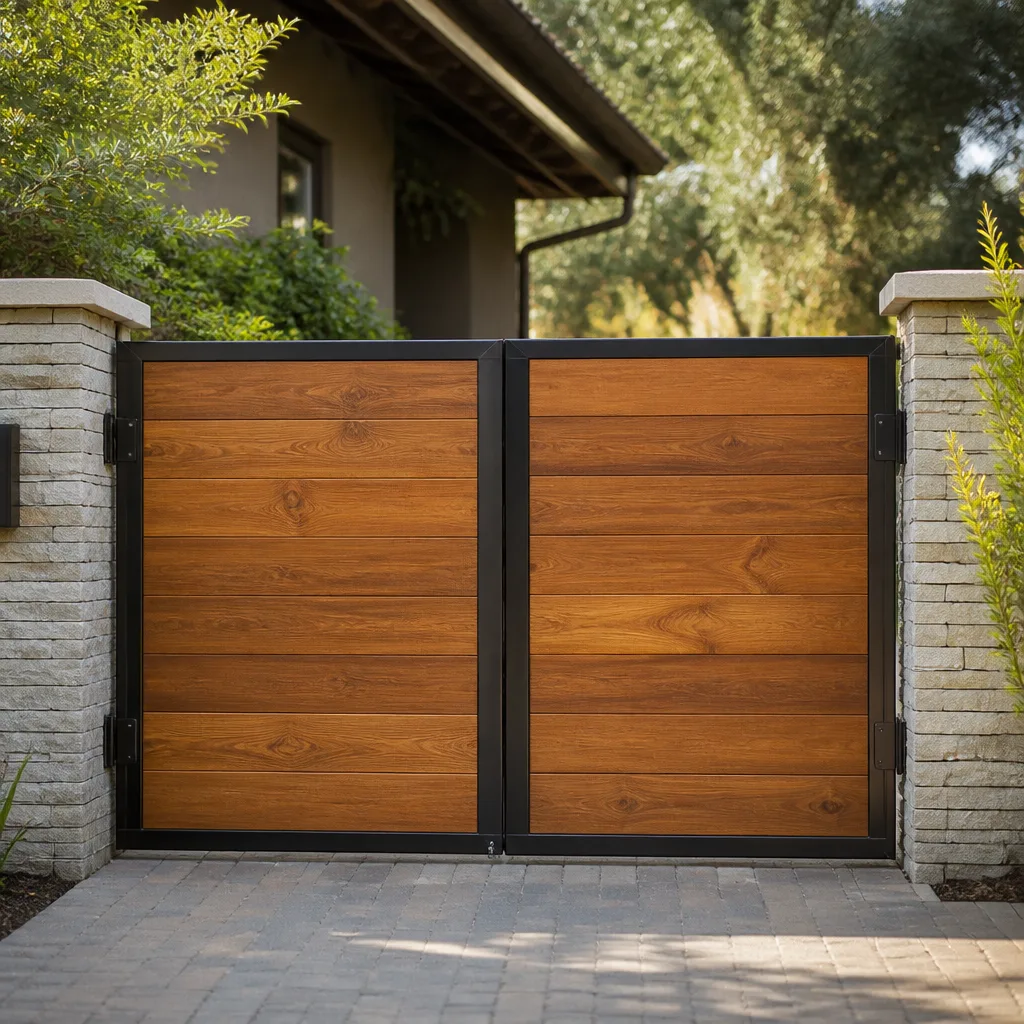 Wood & steel frame
 Farm & ranch
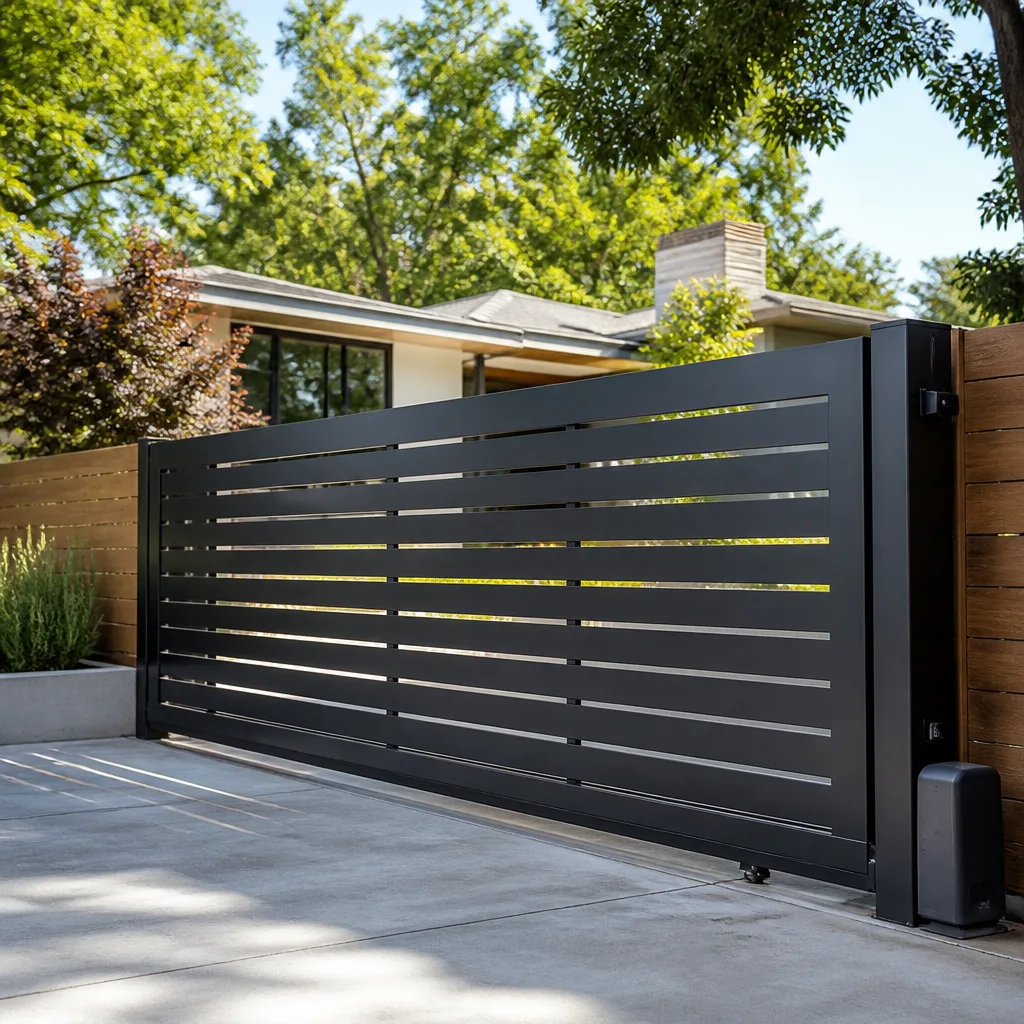 Sliding driveway gates
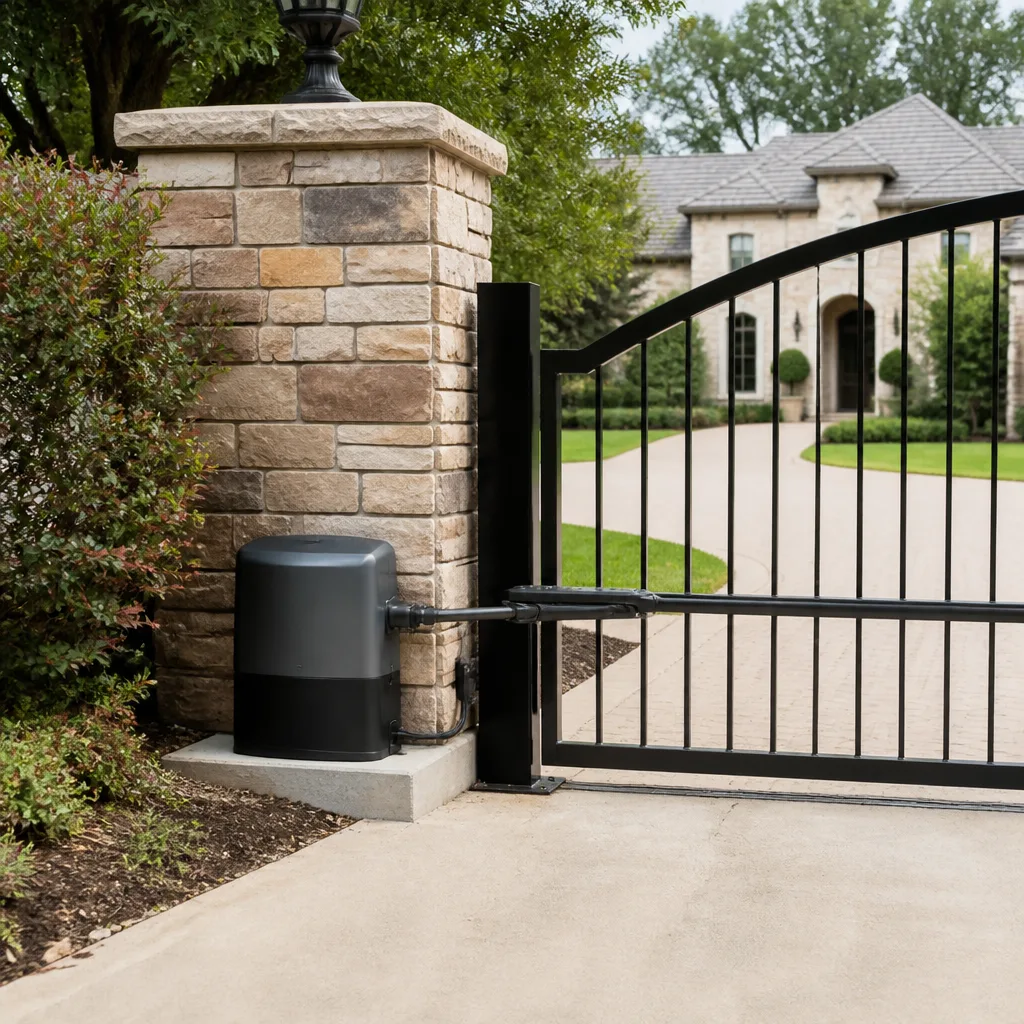 LiftMaster operators
Free on-site gate assessment - hinges, posts, and your LiftMaster or Nice gate operator checked before anything is quoted
The assessment is free and the quote is the invoice.
Get your free estimateGate Repair Maintenance Checklist for Las Vegas Homeowners
Most gate maintenance checklists tell you to lubricate hinges once a year. In Las Vegas, where summer temperatures routinely hit 115°F and evaporate lubricant in weeks, that advice will leave your gate grinding dry by August. A gate that works fine in a coastal climate fails differently here. The Mojave Desert doesn’t just wear gates down faster; it wears them down in a specific sequence: UV radiation eats seals, hard water clogs bearings, monsoon winds wedge debris into tracks, and thermal swings stress every weld. This guide is a month-by-month maintenance calendar built for our climate, not a generic one. You’ll learn which five tasks to do every season, which lubricants actually survive a Las Vegas summer, and which repairs you should never attempt yourself.
Quick Answer
A proper gate maintenance checklist for Las Vegas homeowners has four seasonal tasks: pre-summer heat prep in May, monsoon debris clearing from July through September, post-monsoon hardware checks in October, and winter temperature-swing hinge inspections in January. The five non-negotiable monthly checks are: UV seal condition, hard-water residue on hinges and bearings, debris in the track or chain, gate balance, and auto-reverse force on the opener. Lubricate with a synthetic PTFE or silicone-based lubricant rated for high temperatures, not standard white lithium grease, which liquefies and drips off above 100°F.
Styles & brands we work with
Table of Contents
- Why Las Vegas Gates Fail Differently
- The Monthly 5-Point Checklist
- The Las Vegas Seasonal Maintenance Calendar
- Lubricants That Survive 115°F
- Testing Gate Balance and Auto-Reverse Force
- Weld Point Inspection for Wrought Iron Gates
- DIY-Safe vs. Professional-Only Tasks
- Common Mistakes to Avoid
- When to Call a Professional
- Frequently Asked Questions
Why Las Vegas Gates Fail Differently
We’ve been repairing gates in Las Vegas since 2008, and the failure patterns we see repeat with almost clockwork predictability. A gate in Summerlin fails for different reasons than one in Henderson, but the underlying causes are the same three desert factors: ultraviolet radiation, hard water, and thermal expansion.
Las Vegas averages over 300 days of sunshine per year, and the UV index regularly hits 10 or 11 in summer. That radiation breaks down rubber seals, plastic bushings, and powder coating. A rubber gate-wheel seal that lasts six years in Portland lasts two to three years here. We replace sun-brittled seal strips on a weekly basis from May through September.
Then there’s the water. Las Vegas tap water is among the hardest in the country, with mineral content that leaves calcium and lime scale on any surface it touches. When sprinklers hit a gate post, or when condensation forms overnight, minerals deposit on hinges, bearings, and the gate track. That scale acts like sandpaper, accelerating wear on moving parts. The fix isn’t just lubrication; it’s periodic descaling, which most checklists never mention.
Finally, thermal expansion. A steel gate that’s 12 feet wide will expand by roughly a quarter inch between a 40°F winter night and a 115°F summer afternoon. Over a decade, that repeated expansion and contraction creates micro-cracks at weld points, loosens bolts, and shifts gate alignment. In Las Vegas, that cycle happens every single day, not just seasonally.
- UV radiation breaks down seals, bushings, and coatings faster than any other factor.
- Hard water residue from sprinklers and condensation accelerates wear on moving parts.
- Daily thermal expansion loosens fasteners and creates weld stress over time.
- Monsoon winds from July through September drive debris into tracks and chain mechanisms.
If you’re researching a Gate Repair in Las Vegas, the issues above are what you’ll most likely encounter. Understanding them is the first step to preventing them.
The Monthly 5-Point Checklist
Set a recurring reminder on your phone for the first Saturday of each month. This entire inspection takes 15 minutes, and it catches 80% of the failures we’re called out for.
- Seal check. Run your finger along every rubber or vinyl seal on the gate frame, the operator arm, and any wheel housings. If the material feels stiff, shows visible cracks, or flakes when pressed, it’s failing. In Las Vegas, seals need replacement roughly every two to three years, not five.
- Hard-water residue check. Look at the hinge pins, bearing housings, and the track where wheels roll. White or gray crust is mineral buildup. Wipe it with a 50/50 white vinegar and water solution using a rag, then rinse. Don’t let it accumulate; scale will chew through a bearing in one season if you ignore it.
- Debris clearing. Check the entire gate track for pebbles, leaves, and dust clumps. After any wind event, do this more often. A single pebble in the track can cause the gate to bind, which trips the opener’s safety sensor and leaves you with a half-open gate that won’t respond.
- Opener cycle test. Open and close the gate fully twice, watching and listening. Does it move smoothly? Any grinding, hesitation, or jerking? A healthy gate moves at a constant speed with no audible strain from the motor.
- Fastener check. Give the gate a firm shake at the hinge side. Is there any play or rattle? Loose hinge bolts are common due to daily thermal cycling. Tighten anything that moves, but don’t overtighten; you can strip threads in aluminum frames.
For a deeper dive into what goes wrong with automated systems specifically, see our guide to Electric Gate Repair in Las Vegas.
The Las Vegas Seasonal Maintenance Calendar
Monthly checks catch small issues. Seasonal tasks prevent big ones. Here’s how we schedule maintenance around the Mojave Desert’s actual climate events.
May: Pre-Summer Heat Prep
Before temperatures climb into triple digits, do a full system audit. The two critical tasks: replace any seal that shows even minor cracking, and apply fresh high-temperature lubricant to every moving component. A lubricant applied in May must survive a July afternoon. Standard white lithium grease thins out and runs off at around 100°F to 110°F, which means by July your gate is running on bare metal. Use a synthetic PTFE-based lubricant or a high-temp silicone formulation instead. More on this below.
Also in May: check the operator’s internal cooling. Many gate operators for brands like Viking and DoorKing have built-in thermal protection that shuts the motor down at high temperatures. If the operator is housed in a metal enclosure exposed to direct sun all afternoon, add a shade panel or consider relocating it. This one move extends opener life significantly in Las Vegas.
July through September: Monsoon Debris Protocol
The Las Vegas monsoon season runs from roughly July through late September. Storms bring wind gusts, blowing sand, and debris. After any significant wind event, do a debris check even if it’s not your monthly Saturday. Sand is particularly problematic because it works its way into chain drives and bearing races. If your gate uses a chain-drive operator, wipe the chain with a dry cloth after dust storms before applying lubricant. Lubricating over sand creates a grinding paste that destroys chains.
Rain is less frequent but intense when it comes. Check that water drains away from the operator and any below-ground components. Standing water near an electric gate operator is a safety hazard and can damage the control board.
October: Post-Monsoon Hardware Audit
Once monsoon season ends, do a thorough hardware inspection. Monsoon winds loosen posts, shift alignment, and drive debris into places you didn’t catch. Test gate balance (see below), inspect every visible bolt, and recheck the track for any pebbles or sand that accumulated. October is also a good time to schedule our Gate Repair services before the winter temperature swings begin.
January: Winter Temperature-Swing Hinge Checks
Las Vegas winter nights regularly drop into the 30s, and daytime highs can still reach the 60s. That’s a 30-degree daily swing, which is enough to loosen hinge bolts and shift gate alignment slightly. In January, check every hinge bolt for torque, verify the gate still opens and closes fully, and listen for any new creaks or groans that indicate dry metal-on-metal contact. Cold temperatures also reduce battery performance in solar-powered openers; if your gate runs slow in the morning but fine in the afternoon, the operator battery may be nearing end of life.
Lubricants That Survive 115°F
Here’s the hard truth: most lubricants sold for gate maintenance are wrong for Las Vegas. The white lithium grease you find at the hardware store is rated for ambient temperatures up to about 100°F. On a 115°F day, a metal gate in direct sun can reach 150°F to 160°F on the surface. The grease liquefies, runs off, and leaves the hinge dry within weeks.
What works in Las Vegas:
- Synthetic PTFE-based lubricant. Teflon-based dry lubricants don’t attract dust and remain effective well above 200°F. Good for hinges, wheels, and chain drives.
- High-temp silicone lubricant. Silicone formulations rated for 300°F or higher work well for rubber and vinyl seals, keeping them supple and preventing UV-driven cracking.
- Molybdenum disulfide grease. For heavy-duty steel hinges and slide gate trucks, moly grease handles both high temperature and high load. It’s messy, but it stays put.
What to avoid:
- Standard white lithium grease. Runs off above 100°F and attracts dust.
- WD-40 as a lubricant. WD-40 is a solvent and water displacer, not a lasting lubricant. It’s useful for cleaning and freeing stuck parts, but it evaporates quickly.
- Penetrating oils as a primary lube. These are for loosening corroded parts, not for ongoing lubrication.
Lubrication frequency: in Las Vegas, lubricate hinges and chains every two to three months during summer, and quarterly during the rest of the year. Wipe away old lubricant and any dirt before applying fresh. Lubricating over grit turns the lubricant into an abrasive paste.
Testing Gate Balance and Auto-Reverse Force
Two checks most homeowners skip until the motor burns out: gate balance and auto-reverse force. Both are quick. Both tell you a lot about the health of your gate and opener.
Gate Balance Test
Gate balance refers to whether the gate moves freely on its hinges or wheels without the opener attached. Most automatic gates use an opener to move the gate, but the opener shouldn’t be fighting the gate’s own weight. A well-balanced gate, when manually released from the operator, should move with one hand and stay in place when you let go. If it swings hard, drifts closed, or requires two hands to move, the gate is out of balance.
To test: put the opener in manual bypass mode (check your operator’s manual; most brands like Ghost Controls, Elite, and Viking have a pull-release lever or keyed bypass). Then push the gate by hand through its full travel. If it binds, feels heavy, or won’t stay put, you have a balance problem. An unbalanced gate forces the opener motor to work harder, which shortens its life and can burn out the motor in a single Las Vegas summer of daily use.
Auto-Reverse Force Test
The auto-reverse function stops the gate and reverses direction when it encounters resistance, like a car, a child, or a trash bin. This is a safety feature, and it needs to work correctly. Many operators have an adjustable force setting; if it’s set too high, the gate will keep pushing until something gives. If it’s too low, the gate won’t close against a mild breeze.
To test: close the gate and place a sturdy object, like a 2×4 or a rolled-up hose, where the gate’s leading edge will hit it. The gate should stop and reverse direction before causing any damage to the object. If it doesn’t reverse, the force setting is too high and the operator needs adjustment. This is a safety issue, not just a maintenance item.
Most opener brands, including LiftMaster, BFT, and Linear, include these tests in their owner’s manuals. If you don’t have the manual, the manufacturer’s website typically has a PDF. Some brands, like Mighty Mule and FAAC, use different adjustment methods, so check before making changes.
Weld Point Inspection for Wrought Iron Gates
Wrought iron gates are common in Las Vegas, especially in older neighborhoods and higher-end communities. The aesthetic is classic, but the material has a specific weak point: weld joints. Every day that the temperature swings from cold to hot, the steel expands and contracts. Over years, this thermal cycling stresses the welds, which are slightly more brittle than the surrounding metal.
What to look for:
- Hairline cracks at weld junctions. Where a vertical picket meets a horizontal rail, look for any thin, dark line in the paint or powder coating. It often starts as a paint crack but can indicate a failing weld beneath.
- Rust blooming at joints. Rust shows up at weld joints first because the weld area is more porous. Even a small rust spot at a weld is a warning sign.
- Loose pickets. Grab individual pickets and try to wiggle them. Any movement means the weld has failed or is failing.
- Sagging or shifted alignment. If the gate no longer hangs level, the welds at the hinge side may be stretching or cracking.
Catching weld cracks early means a simple reinforcement pass by a welder. Missing them means a picket breaks off, or worse, the entire gate sags and damages the hinges and post. We see this most often on gates that are 10 to 15 years old and have never had a weld inspection.
DIY-Safe vs. Professional-Only Tasks
Here’s where we draw the line. Some maintenance is safe for a careful homeowner. Other tasks carry real risk of injury, property damage, or making the problem worse.
DIY-Safe Tasks
- Visual inspection. Seals, welds, debris, rust, loose fasteners. All safe to inspect.
- Cleaning. Wiping down tracks, descaling hinges with vinegar solution, removing debris from the gate path.
- Lubrication. Applying the correct high-temp lubricant to hinges, chains, and wheels.
- Basic fastener tightening. Tightening hinge bolts or gate post bolts that have loosened. Don’t overtighten.
Professional-Only Tasks
- Spring tension adjustment. Torsion or extension springs on a gate are under extreme tension. A spring releasing unexpectedly can cause serious injury. Never attempt to adjust or replace gate springs yourself.
- Electrical loop detector testing. Loop detectors are buried wires that sense vehicles. Testing and replacing them requires a multimeter and an understanding of the controller’s programming. This isn’t a plug-and-play fix.
- Operator motor replacement. Replacing a gate operator motor involves electrical wiring and proper torque settings. Some brands, like DoorKing and Linear, use specific gear ratios that must be matched correctly.
- Weld repair. If you’re not an experienced welder, any structural weld on a gate should be done by someone who is. A bad weld fails, and a failing gate weld can send a section of the gate crashing down.
If you need professional help, Portcullis Gate Repair Las Vegas home covers every type of gate service in the valley. For new gate projects, see Gate Installation in Las Vegas.
Common Mistakes to Avoid
- Lubricating without cleaning first. Applying fresh lubricant over dust, sand, or old grease creates an abrasive slurry that accelerates wear. Always wipe the surface clean first, especially after monsoon wind events.
- Using the wrong lubricant for Las Vegas heat. Standard white lithium grease runs off above 100°F. If your gate is grinding again three weeks after lubricating, the lubricant is gone, not the gate’s fault.
- Ignoring hard-water scale. Mineral buildup on hinges and bearings is a slow-acting abrasive. A quick vinegar wipe once a month prevents a $200 bearing replacement.
- Setting the auto-reverse force too high to “fix” a binding gate. If the gate binds, the problem is alignment or debris, not the force setting. Cranking up the force just masks the real issue and creates a safety hazard.
- Skipping seal replacement until the seal has completely disintegrated. By then, the underlying bearing or wheel has been exposed to grit and heat, and you’re replacing a $50 part instead of a $15 one.
- Attempting spring or electrical work as a DIY job. Gate springs and opener wiring are the two most dangerous components on the system. One wrong move with a tension spring can send a piece of metal through a window, or worse.
- Not keeping a maintenance log. Write down what you check and when. When something fails, a log tells you if this is a recurring issue or a new one. It also helps the technician diagnose faster.
When to Call a Professional
Call a professional when you see any of these: a gate that won’t stay in manual mode, a motor that hums but doesn’t move, sparks or a burning smell near the opener, a visibly sagging gate, or any crack at a weld joint. These are not maintenance items; they’re failures in progress, and delaying makes the repair more expensive. Portcullis Gate Repair Las Vegas offers free estimates in Las Vegas and surrounding areas. We service all nine major gate-operator brands, including Ghost Controls, Elite, Viking, and DoorKing. Call (725) 777-5391 and a live person answers, 24/7.
Frequently Asked Questions
Every two to three months during summer, and quarterly during the rest of the year. The heat evaporates and thins lubricants much faster in Las Vegas than in most climates, so yearly lubrication isn’t enough. Use a synthetic PTFE or high-temp silicone lubricant rated above 200°F; standard white lithium grease runs off above 100°F and leaves the hinge dry. Call (725) 777-5391 and we can recommend a product for your specific gate.
The most common cause is thermal shutdown of the operator motor’s internal protection circuit. When the operator enclosure sits in direct Las Vegas sun, internal temperatures can exceed the motor’s rated limit, and the system shuts down until it cools. A secondary cause is lubricant loss from hinges, which increases friction and forces the motor to work harder. Adding shade to the operator enclosure and using the correct high-temp lubricant solve most heat-related failures.
Most maintenance is safe to do yourself: cleaning, lubricating, visual inspection, tightening loose fasteners, and testing the auto-reverse function. However, spring tension adjustment, electrical loop detector work, weld repair, and motor replacement should always be handled by a trained professional due to safety risks. Portcullis Gate Repair Las Vegas provides free estimates, and every repair includes a written 365-day guarantee.
Most common gate repairs in Las Vegas run between $150 and $800. A hinge replacement or lubrication service typically costs $150 to $250, a seal or wheel replacement runs $200 to $400, and a full operator motor replacement for brands like Viking or DoorKing typically runs $500 to $1,500 parts and labor. This range depends on your gate type and the specific operator. We quote the price in writing before any work starts. Call (725) 777-5391 for a free estimate.
Monsoon winds drive sand and debris into gate tracks, chains, and bearings. Sand is the biggest problem because it works into moving parts and acts as an abrasive. After any significant wind event in Las Vegas, check the track for pebbles and wipe down the chain before lubricating. Never apply lubricant over visible sand; you’ll create an abrasive paste that damages the chain.
It’s the written guarantee that comes with every repair from Portcullis Gate Repair Las Vegas. If your repair fails within 365 days of service, we return and fix it at no charge. The guarantee is stamped on the invoice, in writing, so there’s no ambiguity about what’s covered. Every Portcullis location is independently owned and operated but held to the same Kingswell Guarantee: written price, real arrival window, clean job site, and a written guarantee on every repair.
The Bottom Line
Gate maintenance in Las Vegas isn’t about working harder; it’s about working on the right schedule. The Mojave Desert punishes gates in specific ways: UV degradation, hard-water scale, thermal expansion, and monsoon debris. A monthly five-point check, seasonal tasks timed to the climate calendar, and the correct high-temperature lubricant will extend the life of your gate and opener significantly. For more guides & resources, explore our blog, or call Portcullis Gate Repair Las Vegas-serving the valley since 2008 with written pricing, a live person on the phone at (725) 777-5391, and a 365-day guarantee on every repair.
Written by Dean Prescott, Owner at Portcullis Gate Repair Las Vegas, serving Las Vegas since 2008.
See the difference
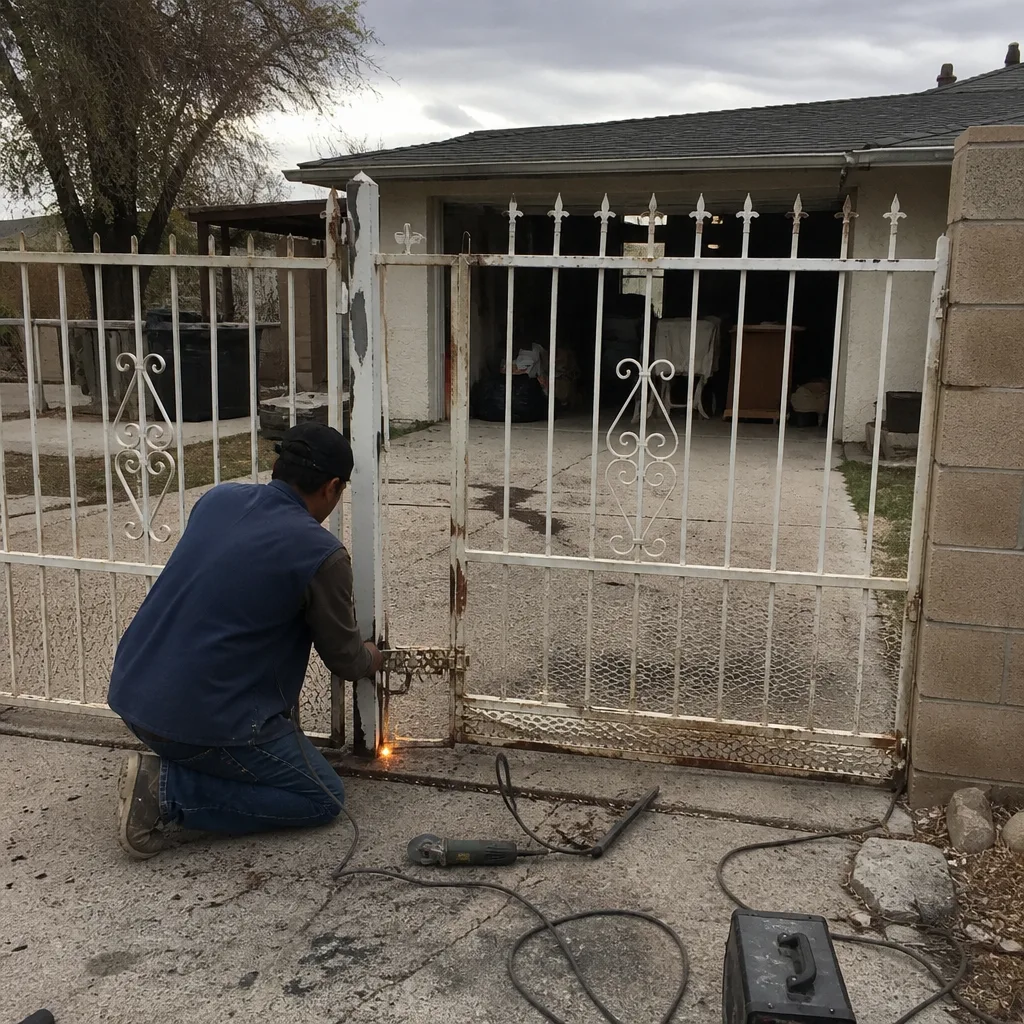 Before
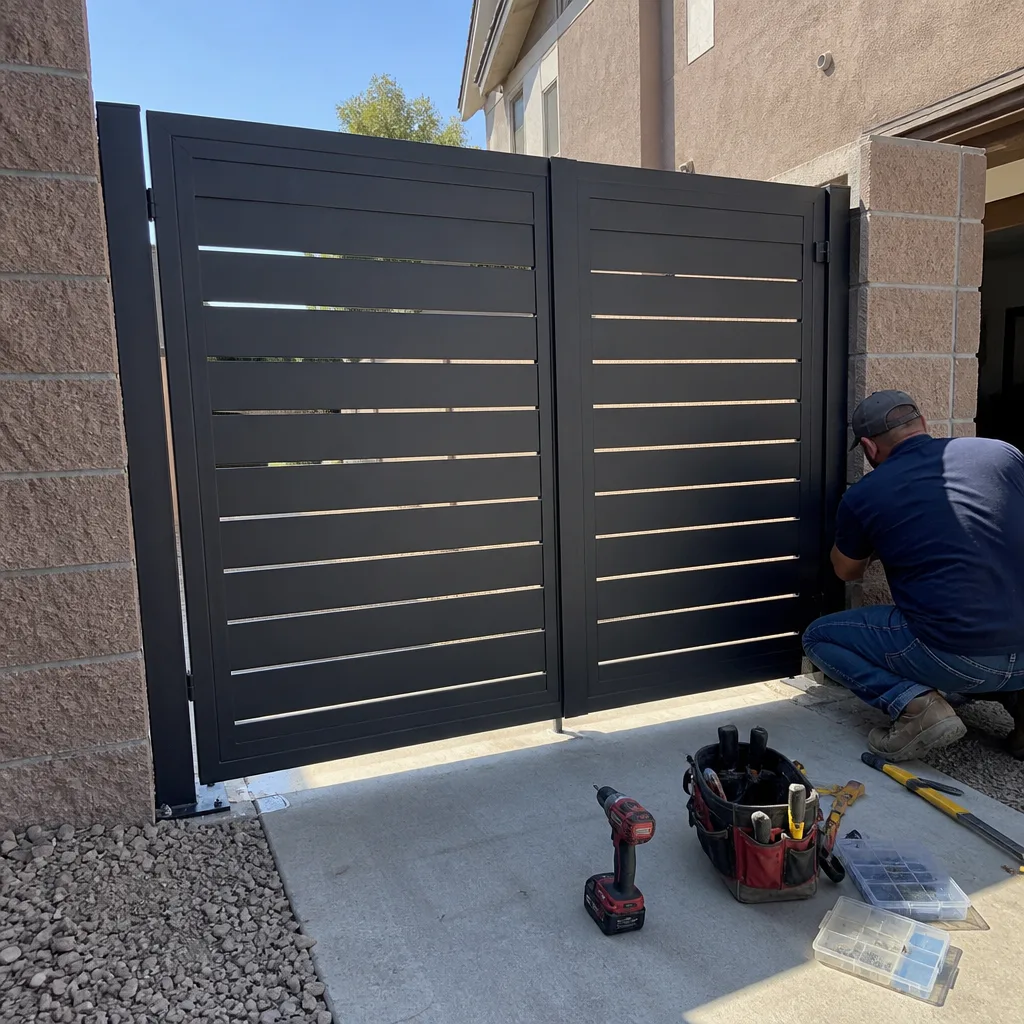 After
After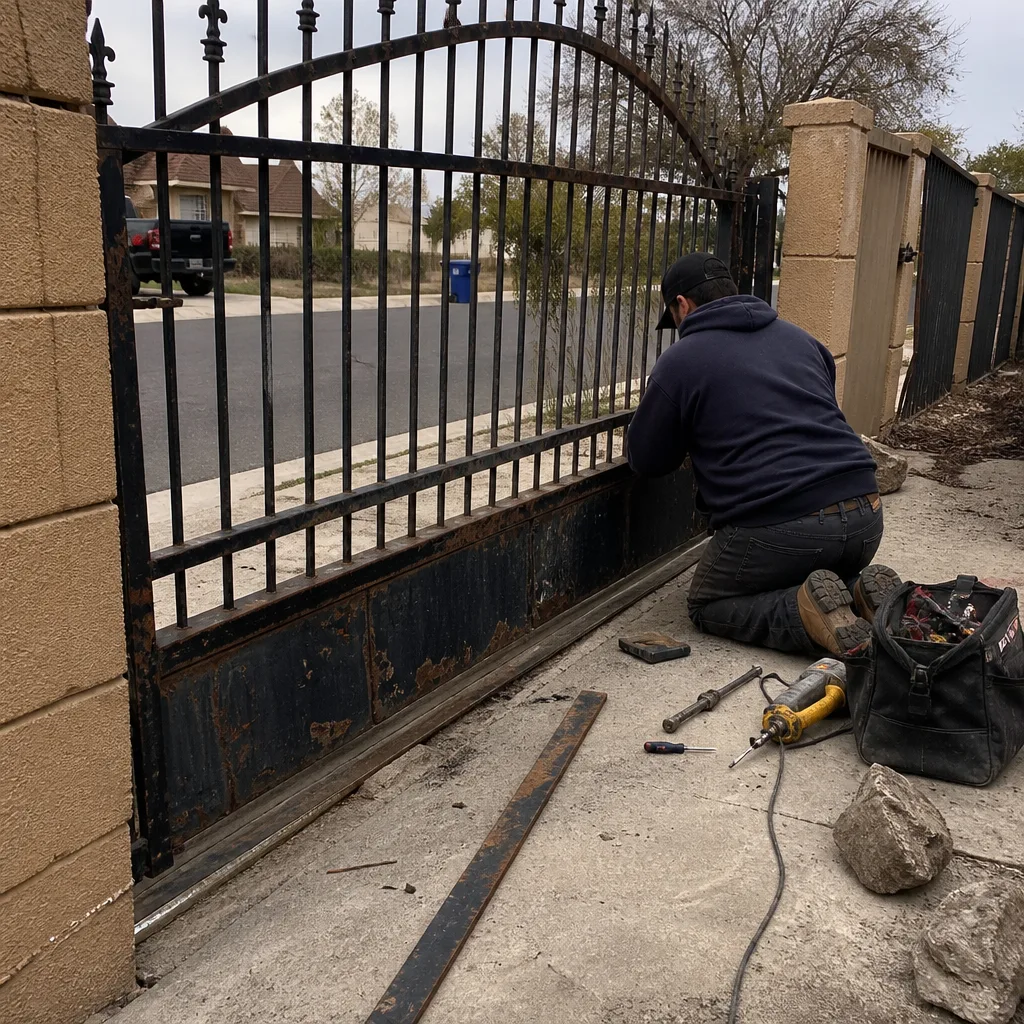 Before
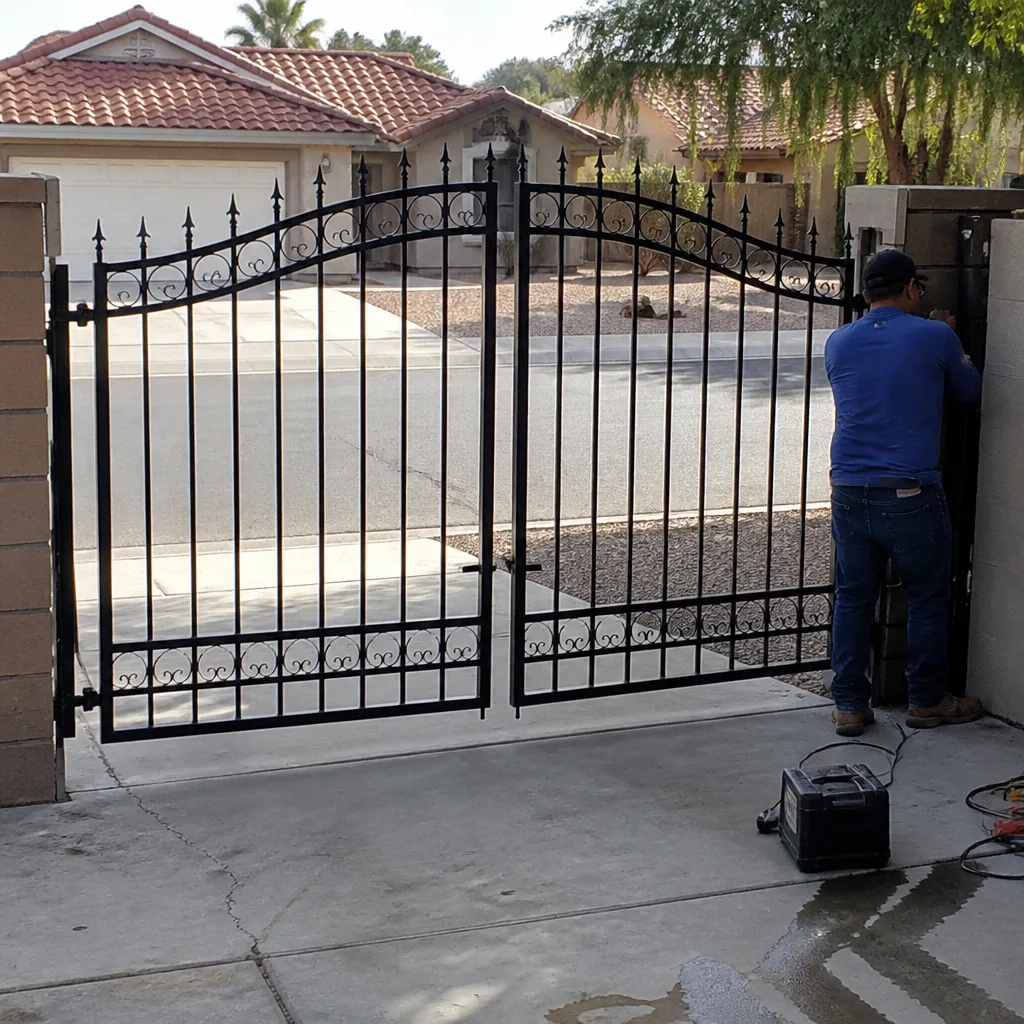 After
After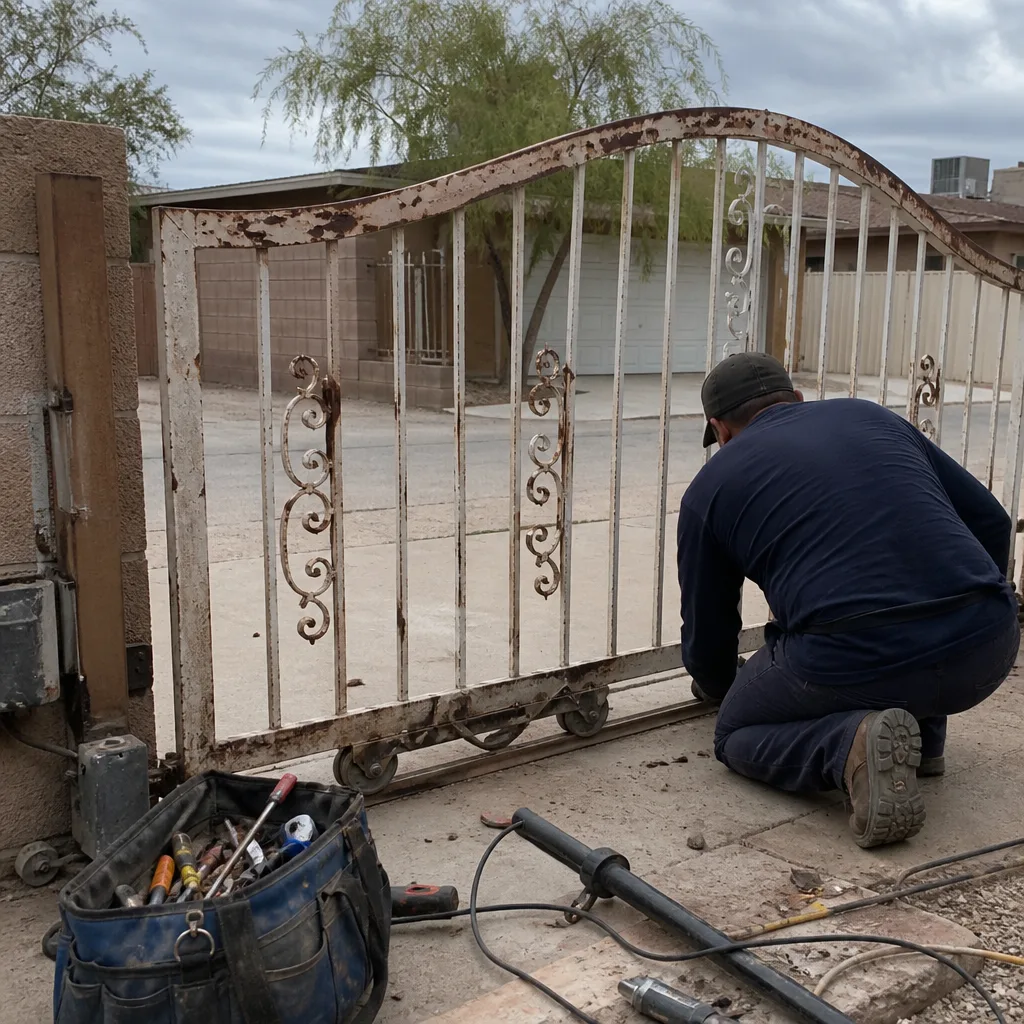 Before
 After
After